

Conveyors and rotary screens are workhorses of the waste recycling industry – moving and sorting materials around the clock. Designing or upgrading these systems requires a clear understanding of the torque and power they demand. An undersized gearbox on a conveyor can lead to motor overloads and stalling when the belt carries heavy waste. On the other hand, an oversized drive wastes energy and budget. Similarly, trommel screens are large rotating drums that sift waste. They need enough torque to start a heavy, debris-laden drum and keep it turning. This practical guide explains how to calculate the torque requirements for waste conveyors and screens. With the correct torque figure, engineers can select the right gearmotor and avoid failures. The result is smooth, energy-efficient operation.
Industry/Application Challenges
Load Variations and Starting Torque on Waste Conveyors:
Waste conveyors often see a range of loading conditions, from light loads to fully burdened belts carrying heavy material. Friction between the belt and idler rollers, plus any incline, creates a baseline resistance. This grows substantially when the belt is loaded. Starting a conveyor under a full load requires much higher torque than running it once it’s moving. The drive must overcome static friction and get the mass of waste moving. Engineers sometimes underestimate the peak load or friction, for example the weight of wet waste or drag from misaligned rollers. The gearbox can then stall or overheat under strain. Sudden surges, such as a large object dropping onto the belt, also create shock torque. The drive must withstand it.
Rotational Inertia in Screens:
Trommel screens and rotating separators in recycling have unique torque considerations. The large rotating drum and the material inside it create considerable inertia. Getting a stationary, loaded drum turning up to speed can demand several times the normal running torque. Once rotating, maintaining speed still requires enough torque to handle material tumbling inside and any friction in bearings or seals. If debris builds up or the load inside the drum shifts, it can further increase resistance. An underspecified drive might struggle to keep the screen at its target RPM, especially at startup. High service factors and careful torque calculation are essential. Together, they ensure the gearbox handles both the continuous load and intermittent shocks without stalling or damage.
How to Calculate Torque for Waste Conveyors and Screens
Calculating torque requirements for conveyors and screens involves evaluating the forces and resistance in the system:
- Determine the Load: Start by quantifying the maximum load the equipment will handle. For a conveyor, this means the heaviest mass of material on the belt at any one time. Belt length and the bulk density of the waste both matter. For a trommel screen, account for the weight of the drum plus the maximum material that could be inside.
- Calculate Required Force and Torque: For a conveyor, calculate the force needed to move the load. This includes lifting it up any incline and overcoming belt and roller friction. Then compute torque as: Force × Pulley Radius. For a rotating screen, find the acceleration torque from the drum’s moment of inertia and the desired acceleration. Then add the torque to overcome rolling friction at speed.
- Apply Safety Factors: Real-world conditions demand a margin. Choose the required service factor using the manufacturer’s method for the actual duty. Check starting and peak torque separately, and specify protection for jams. A blanket multiplier of 1.5 or 2.0 does not establish that every peak is within the gearbox rating.
- Select Gearbox and Motor: Next, choose a gearmotor that gives at least the target torque at the required speed. Ensure the gearbox’s service factor rating meets or exceeds the application demands. For instance, an I-MAK YP Series parallel shaft gearbox suits many conveyors, because it delivers high torque in a compact form. Verify that the motor attached has sufficient power to drive the system at full load.
By following these steps, the resulting drive system will have enough torque to operate reliably under all expected conditions.
Key Product Features
High Torque and Shock Capacity:
Gearboxes chosen for waste conveyors and screens are built to deliver high torque continuously and absorb shock loads. They feature rugged gear trains – often multi-stage helical or bevel-helical arrangements – made from case-hardened steel to resist wear. Selecting the gearbox with a suitable service factor gives a margin for sudden peaks in load. For example, a gearbox rated well above the normal operating torque stays durable when a jam or overload occurs.
Heavy-Duty Bearings and Seals:
Both conveyor and screen drives carry significant radial and axial loads. Conveyors load the shaft through belt tension, and trommels through the drum’s weight. Therefore, the gearboxes come with oversized output shafts and heavy-duty bearings to handle these forces safely. Oil seals are also robust, keeping dirt and debris out of the internals during continuous operation. Some units have easily reached lubrication points or circulating oil systems. These keep gears and bearings cool and lubricated through demanding waste handling duty cycles.
Shaft-Mounted Convenience (for Conveyors):
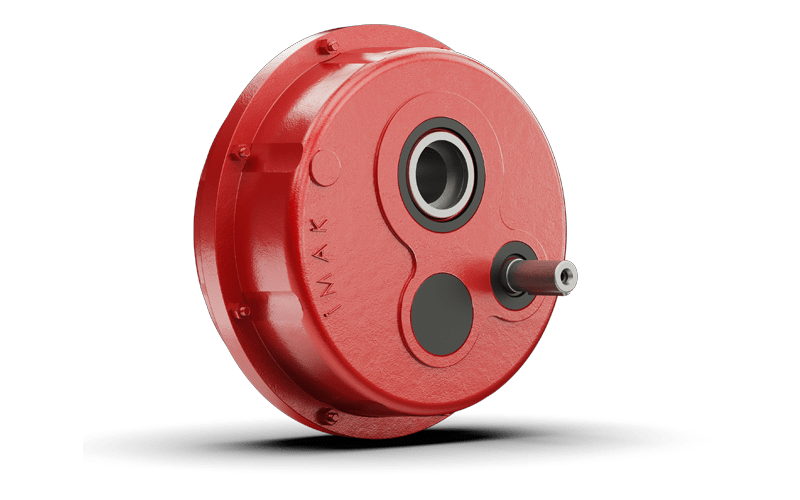
Many conveyor systems use shaft-mounted gear reducers, like the I-MAK IRO Series. These fit directly onto the conveyor’s drive shaft without a base or coupling. This design simplifies installation and saves space. A key option for these gearboxes is a backstop, or anti-runback device. You order it for the free direction of rotation your conveyor needs. It stops the conveyor running back under the weight of material when the drive is stopped. This is crucial for inclined conveyors in recycling plants. Torque arm mounting also makes shaft-mounted units easy to fit and adjust. The arm simply braces the gearbox against the frame.

Illustrative torque-assessment scenarios
Trommel screen with difficult loaded starts
For a rotary screen that struggles to start, establish the inertia, breakaway resistance, material loading and required acceleration time. Check available motor torque, controls and the gearbox’s peak and continuous ratings. Do not assume that a fixed multiple of running torque will suit every drum and material.
This is an illustrative assessment, not a reported plant upgrade. A vibrating screen has a different drive mechanism and needs its own manufacturer’s load and starting data.
Inclined waste conveyor with variable loading
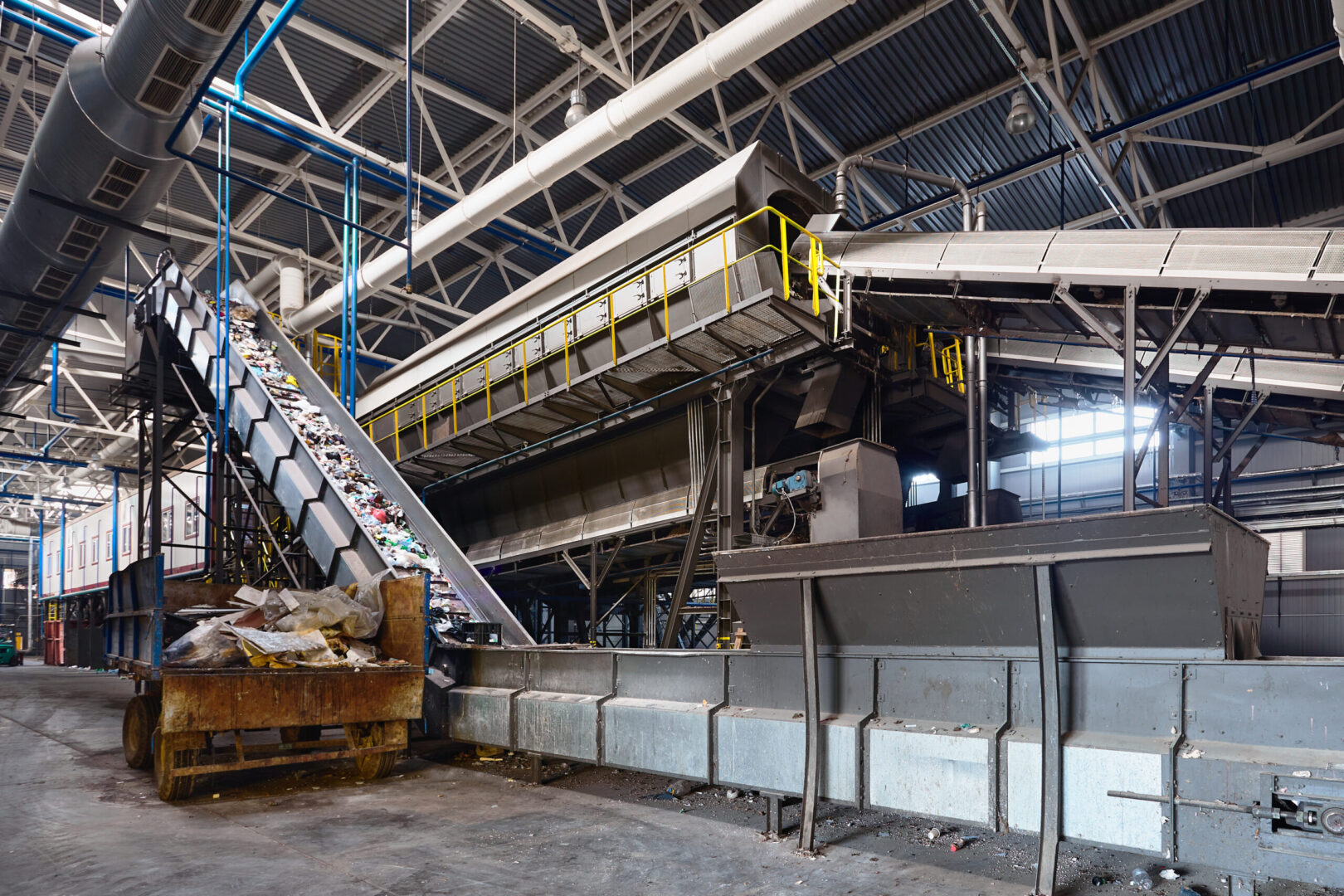
Calculate effective belt pull for the relevant loads and assess loaded starting separately. A parallel shaft gearbox can be evaluated against those requirements and the available mounting space. A backstop addresses reverse rotation; it does not increase forward driving torque.
For the pulley torque and power relationships, see our conveyor torque calculation guide. These are selection checks, not claimed results from a waste-sorting installation.
Conclusion
Understanding and calculating the torque requirements for waste conveyors and trommel screens is crucial for selecting the right drive. When engineers account for peak loads, friction and inertia, they can choose gearboxes that give reliable service rather than breakdowns. In waste recycling operations, this means fewer jams, less downtime, and more efficient processing.
If you need assistance determining the correct drive size for your conveyor or screen, our team at Advanced Drives is ready to help. We can recommend the right I-MAK gearbox and motor and check the sizing with you before you order.