

Crushers and feeders in mining and quarrying work under punishing conditions, grinding and moving heavy material non-stop. Regular maintenance of their gearboxes and drive systems is essential to prevent costly breakdowns and ensure safety. This guide gives practical crusher maintenance tips, focusing on the gear drives that power crushers and feeders.
Industry & Application Challenges
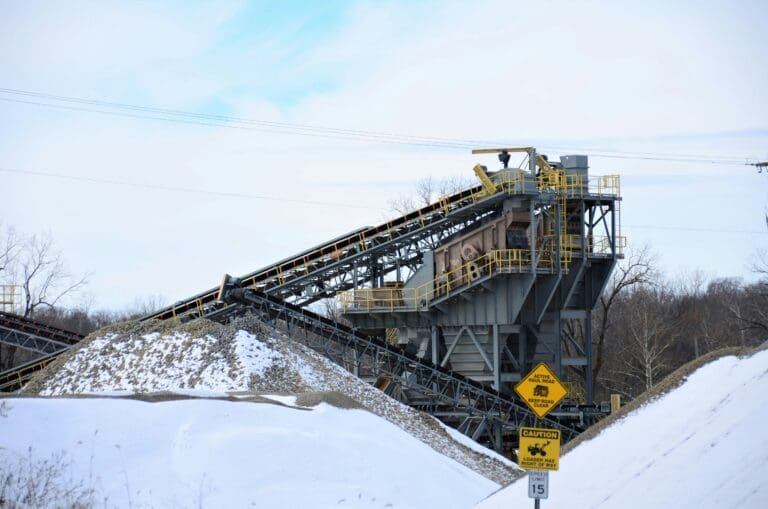
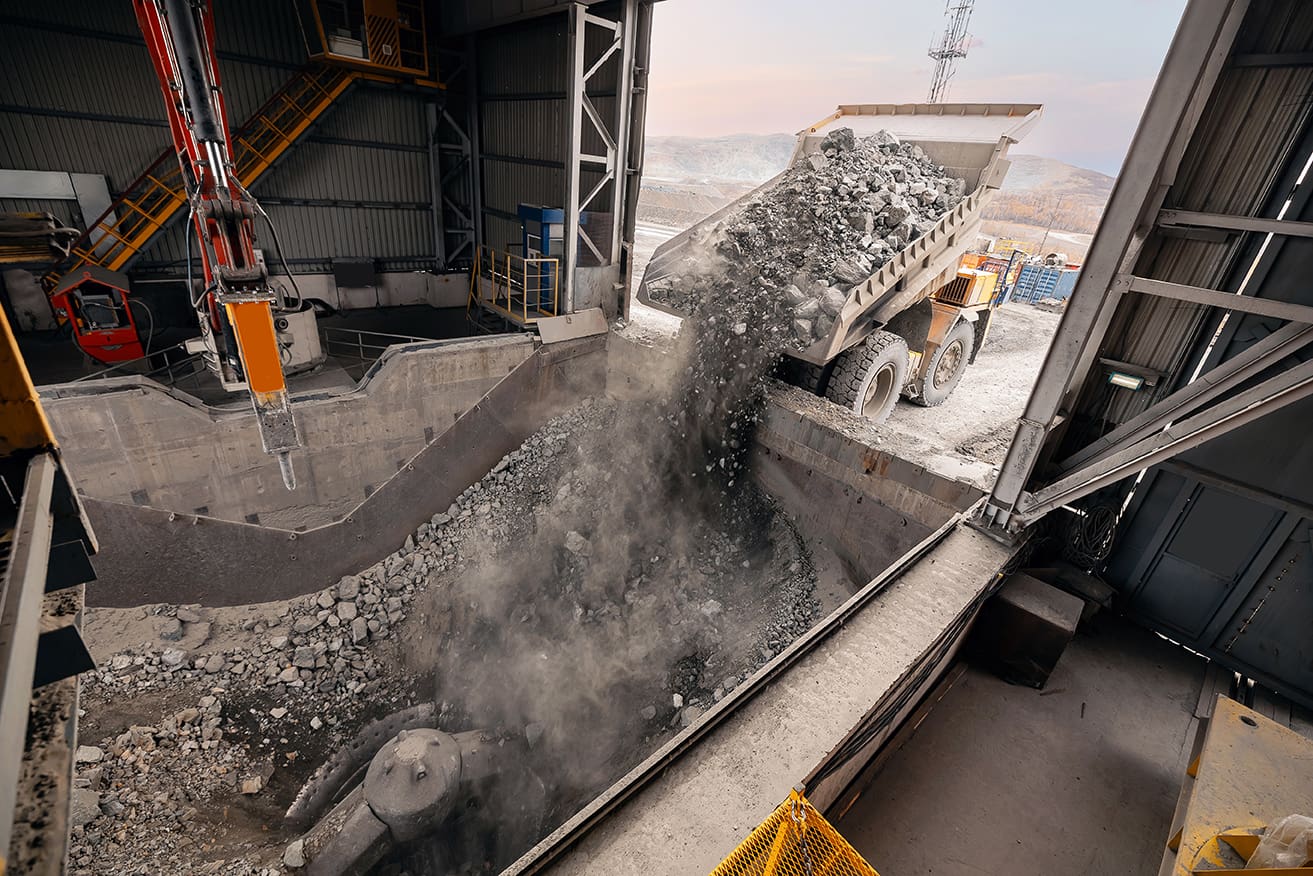
The gearboxes driving rock crushers and feeder systems endure extreme loads and wear. Crushers generate constant shock, vibration and impact as they break hard material. This can loosen fasteners and stress gear teeth. Feeders, such as apron feeders or vibrating grizzlies, often run continuously. Their drives face steady drag and occasional jams. The environment is filled with abrasive dust and debris from crushed rock, which can infiltrate seals and contaminate lubricants. High temperatures can also develop around crushers (due to friction and ambient heat in enclosed spaces). As a result, maintenance crews face abrasive gear wear, oil degradation and misalignment from vibration. Small faults can also grow into major downtime if no one catches them early.
Crusher Maintenance: Inspection, Lubrication and Monitoring
Effective maintenance for crusher and feeder gearboxes revolves around routine inspection, proper lubrication, and using robust components. Gearboxes in these applications should be specified with heavy-duty factors (strong housings, quality gears) from the start. For crusher drives, size the gear unit with a generous service factor for shock loading. Tell us the motor power, speed and duty, and we will select the I-MAK unit to suit.
For crusher maintenance, a regular inspection schedule is key. Check oil level and quality, looking for metal particles or discolouration that point to wear or overheating. Also inspect the seals to make sure dust is not getting in. Keep to the oil and grease intervals in the manufacturer’s manual, and shorten them in hot or very dusty conditions. Many operations use automatic lubrication systems or frequent manual greasing/oil changes to keep gearboxes protected.
Vibration monitoring is also very useful. A simple vibration sensor, or listening for unusual noise, gives early warning of bearing or gear problems before they cause failure. Keep the outside clean too. Removing dust and grime from cooling fins and seals helps the gearbox run cooler and keeps grit out.
Crushers and feeders often have protective devices that also need maintenance. For example, a crusher may have a torque limiting coupling or shear pins between the motor and gearbox. These give way in a jam and protect the gearbox. Ensuring these devices are properly set and replacing them after they operate is a crucial maintenance step. Likewise, check that any backstop on a feeder works, so the machine cannot run back when it stops. In short, long gearbox life in crushers and feeders comes from two things. First, a rugged, well-chosen gearbox. Second, a preventative maintenance programme covering lubrication, alignment and early detection of wear.
Key Product Features
When selecting or servicing gearboxes for crushers and feeders, certain features ease maintenance and improve longevity:
- Robust build & dampening: I-MAK industrial gear units use rigid cast iron housings and heavy shafts, which suit the shock and vibration found on crushing plant. Some designs include vibration-damping mounts or bushings that reduce the shock reaching the gearbox internals.
- Accessible inspection points: Good gearboxes have inspection covers or sight glasses. Staff can then check gear condition and oil level without dismantling the unit. Magnetic drain plugs also help by collecting metal particles. A quick look at the magnet shows whether internal wear is increasing.
- High-quality seals: Against dust, these gearboxes use layered seals, such as an oil seal plus a dust lip. Grease purge systems can also be employed on some bearings – they allow fresh grease to flush out contaminants routinely.
- Easy lubrication & cooling: Maintenance-friendly gearboxes have easily reachable fill and drain plugs, making oil changes quicker. Many larger units also have provision for attaching an external oil filter or cooler. Where a gear unit runs hot, external oil cooling can help. The I-MAK IPR and IPRK planetary range offers an auxiliary oil cooling system with a heat exchanger. We can advise on cooling for other units.
- Spare parts & modular design: Bearings and gears in heavy-duty gearboxes are standardised and easy to replace when worn. A gear unit built from separate input and output assemblies can be repaired by replacing only the worn assembly. Ask us which I-MAK spares are available for your type code. This modularity and availability of spares reduce downtime during overhauls.
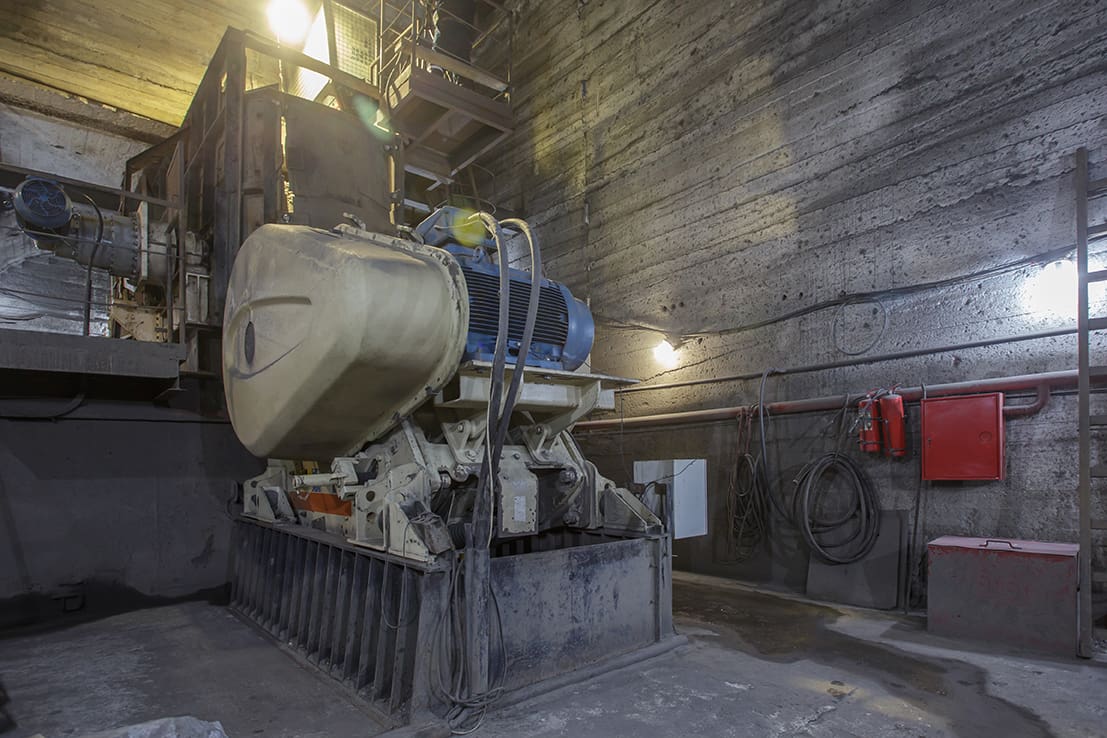
Illustrative crusher and feeder maintenance scenarios
The following are examples of an investigation approach, not reports of completed projects.
Changing oil-analysis results on a crusher drive
If wear-metal readings rise on a helical gearbox, compare the result with earlier samples, oil additions, operating hours and changes in duty. The result may justify further inspection, but it does not identify a failed component by itself. Any inspection must follow the machine’s safe maintenance procedure and the gearbox instructions.
Repeated shear-pin operation on a feeder
Investigate the reason for recurring trips or pin failures. Use only the specified replacement pin and follow the coupling maker’s inspection and reset instructions. Substituting a stronger bolt can defeat the intended protection. Clearing a jam requires control of the machine’s energy and movement before work begins.
Conclusion
Crushers and feeders will always test the limits of gearboxes. However, with good crusher maintenance, those gear drives can last many years. Regular lubrication, inspection and timely replacement of parts such as shear pins and worn seals prevent most serious failures. Choose rugged gearboxes and follow a preventive maintenance programme. Mines and quarries then keep their critical crushers and feeders running reliably.
For more guidance on maintenance, or to choose a drive for your crusher or feeder, explore our mining and quarry gearbox page or talk to our team.