

Airport baggage handling systems are the unseen backbone of air travel. They move thousands of bags quickly and reliably beneath the terminal floors. At their heart are dozens, even hundreds, of gearboxes. These drive the conveyors, diverters and carousels that route luggage to the right flights. The demands on baggage handling gearboxes are intense. They run long hours with minimal downtime and handle load surges at peak flight times. They often have to fit compact spaces within conveyor frames or carousels. This guide gives an overview of what these gearboxes need. It focuses on high reliability, precise cycle speeds and space-efficient designs.
Industry/Application Challenges
Baggage handling in airports presents several challenges for gearboxes. High reliability is paramount. Conveyors and carousels run almost non-stop, and any drive failure can cause costly delays or lost luggage. Gearboxes must endure 24/7 duty with only brief overnight maintenance windows. Variable loads are another issue. At peak times a conveyor may be packed with heavy suitcases, while off-peak it runs nearly empty. The drives need to handle these swings in load without overheating or premature wear. There are also frequent stop-start cycles. Diverters, pushers and sorter belts may engage hundreds of times an hour, which repeatedly stresses motors, couplings and gear teeth. If not properly sized, this duty can shorten a gearbox’s life. Space is a further challenge. The conveyor network weaves through ceilings and tunnels, so drives often have to fit low-profile frames or tight corners. This demands compact gearboxes and flexible mounting configurations. Noise also matters in public areas. Drive units should run quietly and smoothly so they do not add to airport noise. In summary, baggage handling gearboxes must combine durability, performance and compactness.
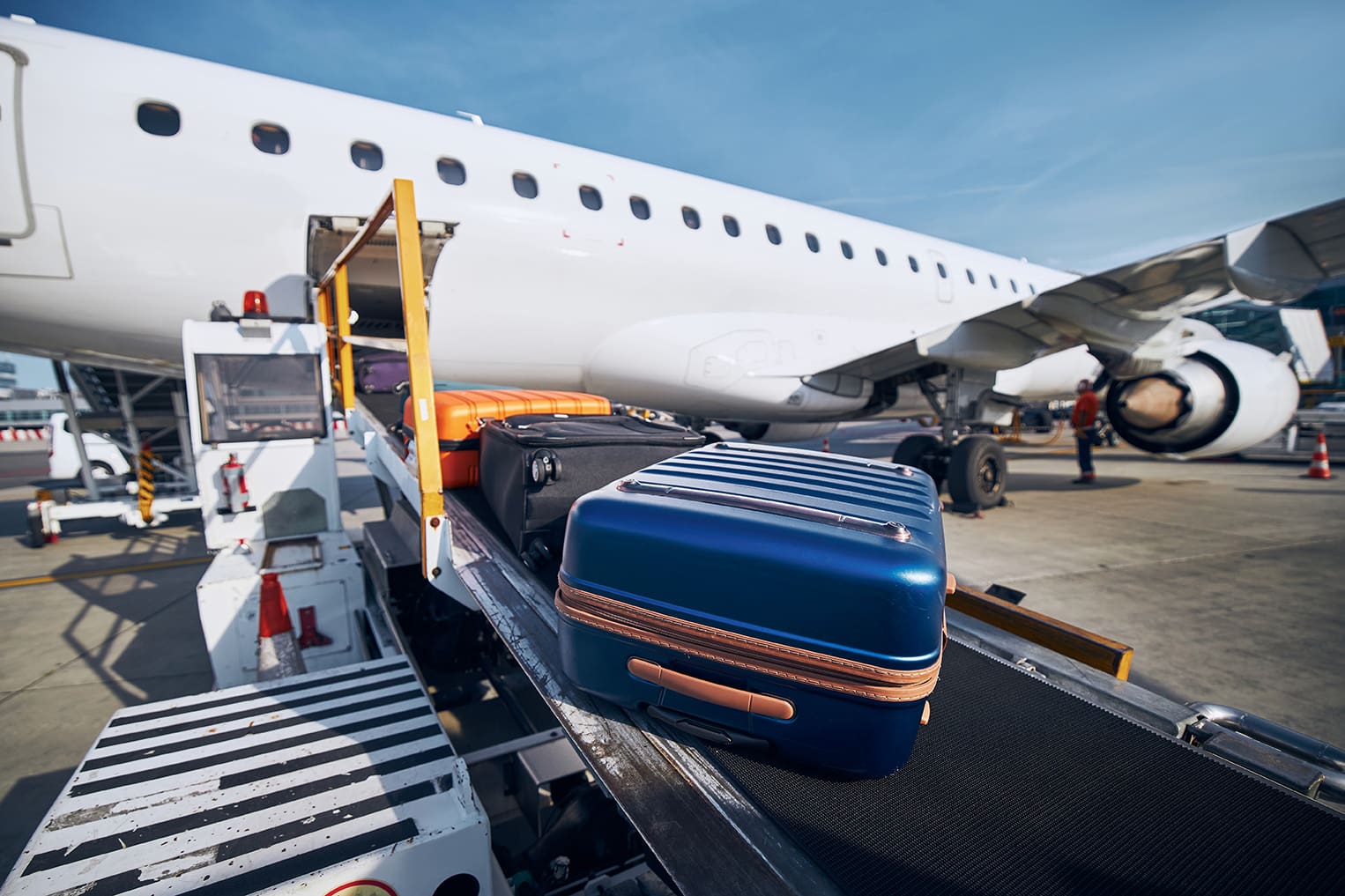
Choosing Baggage Handling Gearboxes
Ensuring an airport baggage system runs without a hitch starts with choosing gearboxes that prioritise reliability. Operators should select gearmotors with a generous service factor and proven 24/7 performance. These are typically efficient helical or bevel helical units that run cool under continuous load. It’s wise to slightly overspecify the gearbox torque rating so it can handle surges of heavy luggage without strain. To ease the stress of frequent starts and stops, drives often use soft starters or VFDs. These let conveyors ramp up gently and match speed to demand. That reduces shocks on the gears and saves energy at lighter loads.
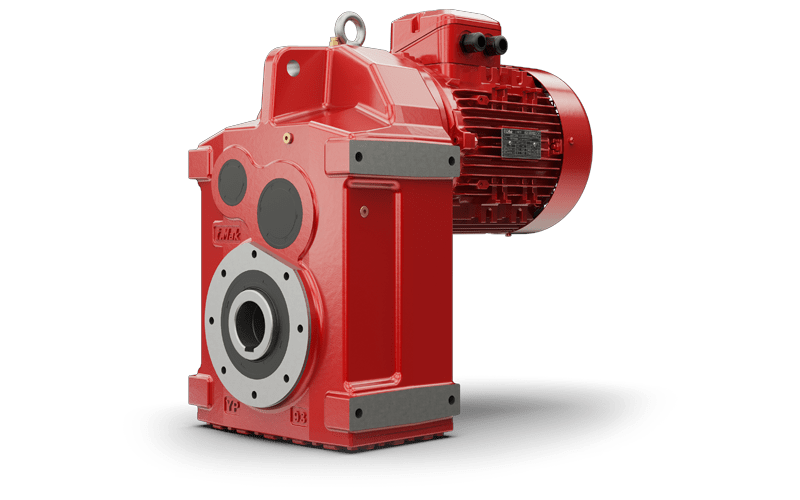
Another key aspect is fitting the drives into the airport’s constrained layout. Using compact gearbox designs with flexible mounting options is essential. Low-profile parallel shaft gearboxes, such as I-MAK’s YP Series, or right-angle gearmotors can suit each conveyor layout. The motor can then sit beside or under the belt as space dictates. Many baggage conveyors use hollow shaft gearboxes with torque arms. These simplify installation in tight spaces and speed up gearbox swaps during scheduled maintenance. Additionally, synthetic oil and planned oil change intervals keep maintenance infrequent. That is important when access is limited to short night shifts. Finally, specifying quiet-running gearboxes helps with noise control. Models with precision-ground helical gears and quality bearings run very smoothly. Proper alignment, secure mounting and vibration damping also prevent unnecessary noise or wear. Reliable gear units, intelligent motor control and careful integration together give baggage systems maximum uptime.
Key Product Features
Gearboxes for airport logistics must be compact, reliable, and efficient. I-MAK’s conveyor gearmotors, such as the YP and IRK Series, meet these needs with:
- High-efficiency gearing: These inline and right-angle gearboxes use helical and helical bevel gears, which run smoothly and efficiently compared with worm gearing. More power is transmitted to move luggage and less is wasted as heat – crucial for continuous duty. The smooth, rolling action of helical teeth also results in quieter, lower-vibration operation, ideal for noise-sensitive terminals.
- Compact & flexible form factor: I-MAK gear units are engineered for tight conveyor spaces and offer versatile mounting options. They can be foot-mounted, flange-mounted, or directly mounted on a conveyor shaft using a hollow output shaft and torque arm. The hollow shaft design saves space and simplifies removal. Secured by a shrink disc or keyed bushing, the gearbox can be swapped quickly during maintenance.
- Durable, low-maintenance design: These gearboxes use hardened steel gears and robust bearings. Sized correctly, they give a long life under continuous loads. Synthetic oil can be specified for longer change intervals. I-MAK recommends a first oil change after 500 hours, then every 6,000 hours. In short, I-MAK’s conveyor gearboxes help keep baggage systems running by combining a robust build with convenient service features.
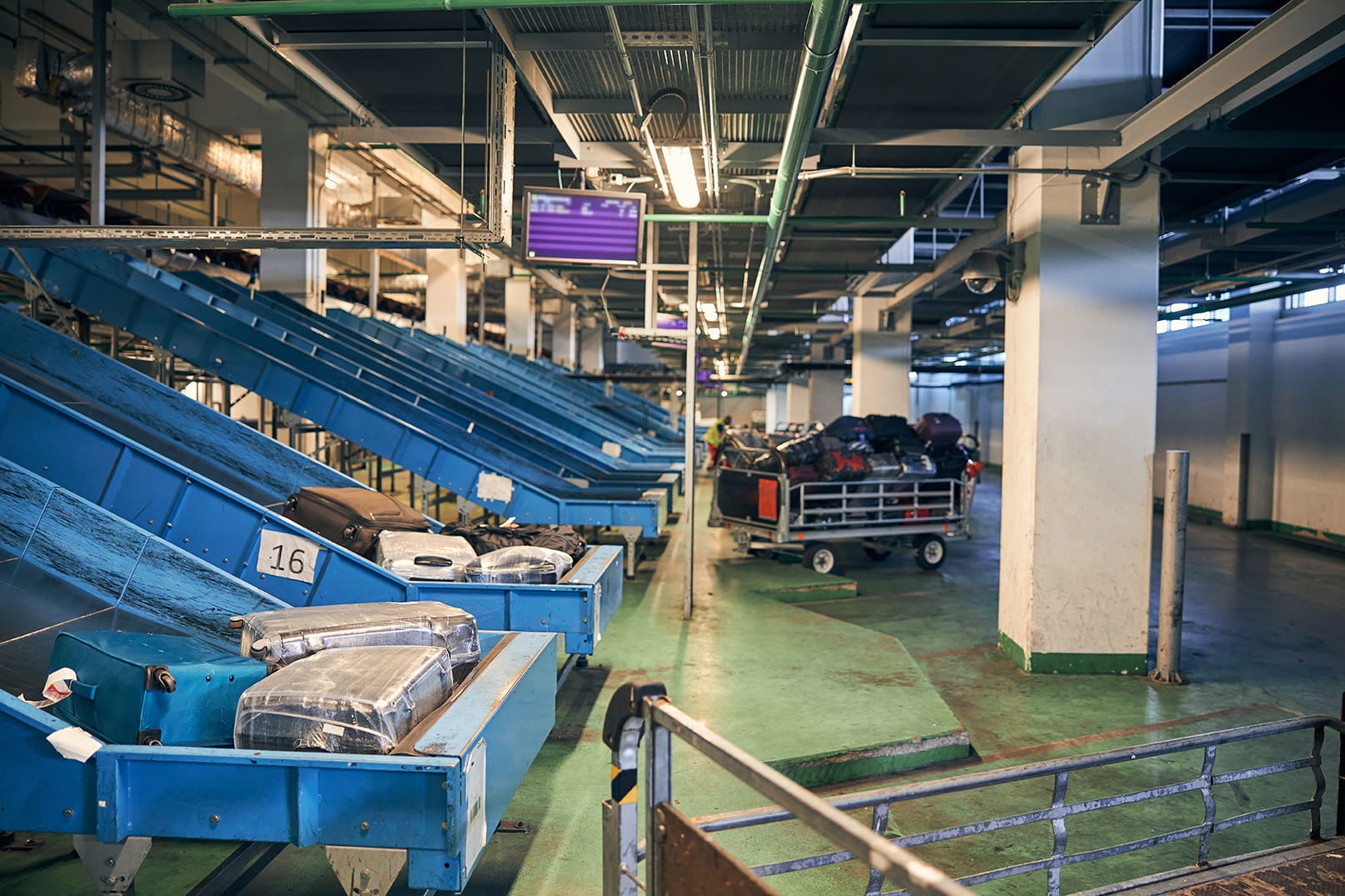
Illustrative baggage-handling drive scenarios
These examples describe selection checks and do not report results from a particular airport.
Drive replacement on a busy baggage conveyor
For a conveyor that runs hot under peak loading, establish the duty and cause of the heating before choosing a replacement. An IRK helical bevel geared motor can be assessed against the required torque, speed, start frequency, thermal conditions and mounting. Any VFD settings must suit the conveyor’s acceleration and stopping requirements.
Restricted space beneath a carousel
A YP parallel shaft gearbox with hollow output may offer a useful layout if the shaft fit, loads and reaction arrangement are suitable. Check removal access and the maintenance procedure before estimating replacement time. A compact arrangement alone does not establish how quickly the drive can be changed.
Conclusion
The smooth operation of airport baggage systems depends on gearboxes that can meet rigorous demands. By investing in high-quality, efficient drives and integrating them with proper controls and maintenance, airports ensure luggage flows without interruption. Durable and compact gearboxes truly keep bags moving on time.
For further information on drive solutions for baggage handling – or to discuss our YP Series Parallel Shaft Gearboxes and other I-MAK units designed for logistics – please contact Advanced Drives. Our experts can help you specify gearboxes that deliver top reliability and performance in critical material handling applications.